
Nigus Tactical plans Türkiye demonstrations for Sefine USV after AFRIDEX
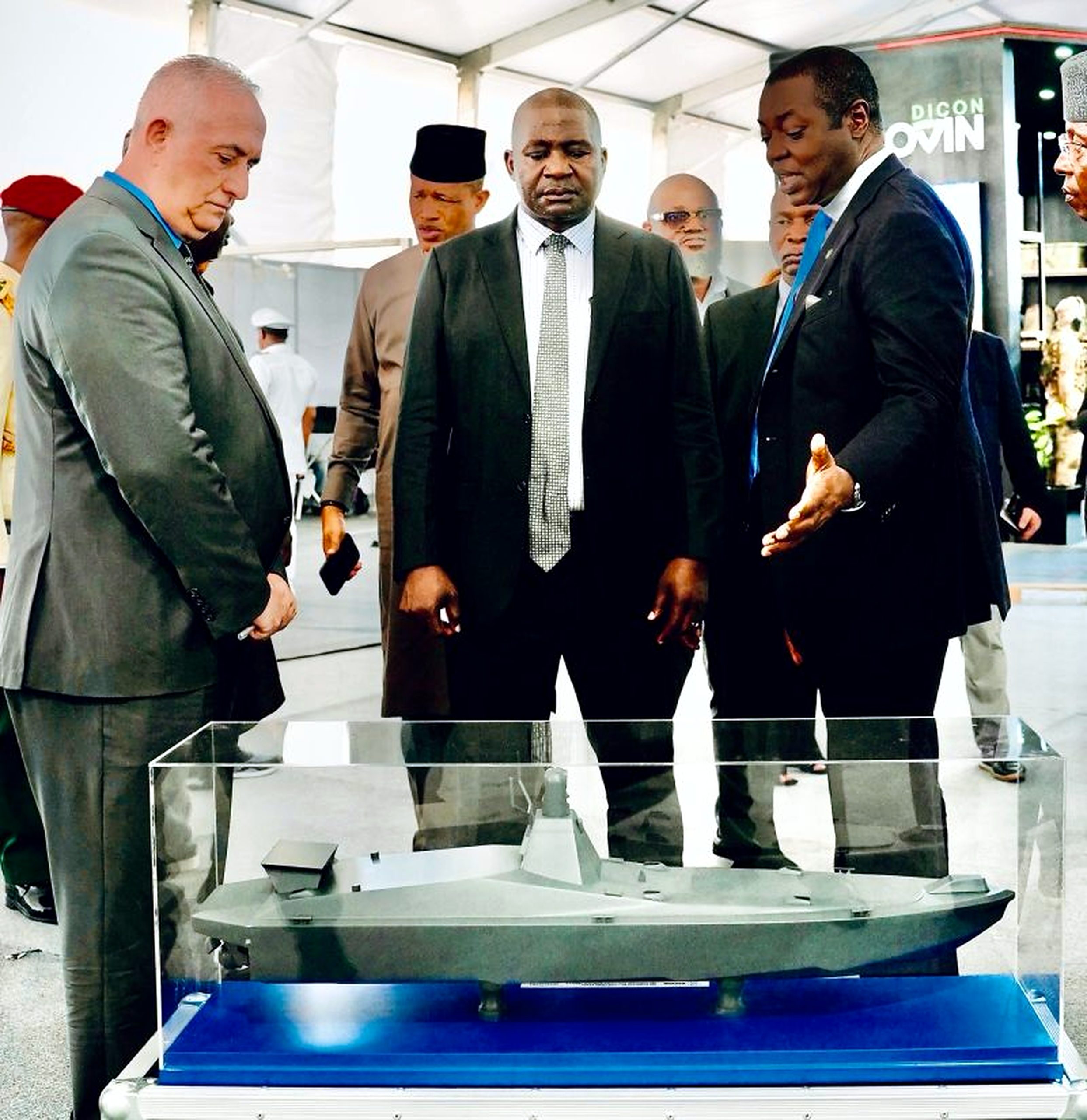
Nigerian defence firm Nigus Tactical is planning live demonstrations in Türkiye of an unmanned surface vessel (USV) it showed with Turkish shipbuilder Sefine at the Africa International Defence Exhibition (AFRIDEX) 2026 in Lagos, after talks with the navies of Nigeria, Cameroon and Angola. Malik Ado-Ibrahim, Chief Executive Officer of parent company Nigus International, announced the next step on LinkedIn after the show, saying the AFRIDEX conversations “are now moving towards live demonstrations”.
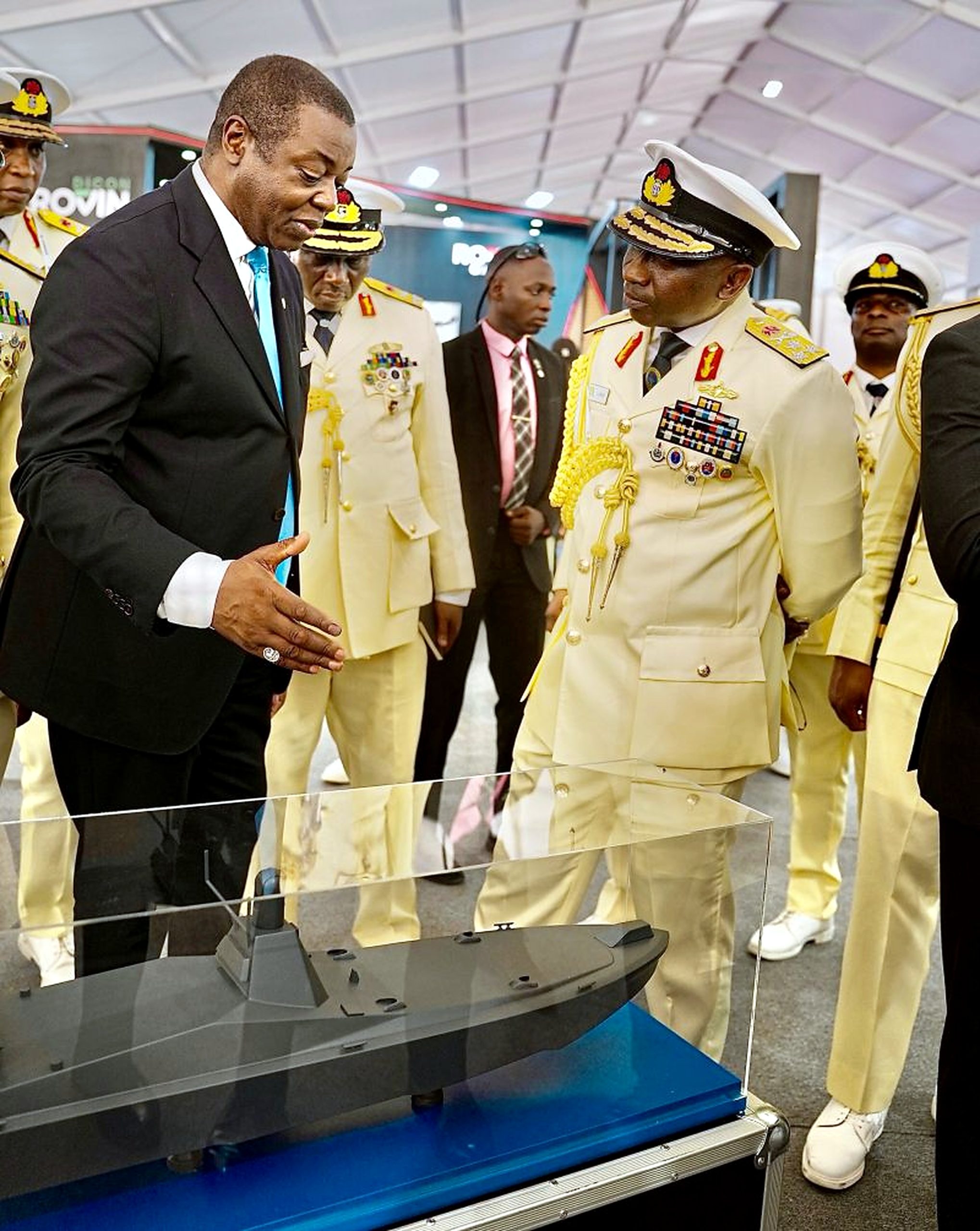
The display, presented with Sefine and SİSAM, the shipyard’s autonomous systems research centre, put Nigus Tactical in front of Nigeria’s top defence leadership. Ado-Ibrahim said he briefed the Minister of Defence, General Christopher Gwabin Musa (Rtd), and the Minister of State for Defence, Dr Bello Matawalle, and held what he called a detailed engagement with the Chief of Naval Staff, Vice Admiral Idi Abbas, on the platform and its potential relevance to the Navy’s requirements.
From AFRIDEX stand to Turkish test waters
Ado-Ibrahim said the discussions “have opened the way for further engagements with the Nigerian, Cameroonian and Angolan navies”, with live demonstrations in Türkiye planned as the next step. No dates, quantities or contract values have been announced, and none of the three navies has commented publicly. A demonstration abroad is a common stage in naval procurement: it lets officers watch a vessel’s handling, autonomy and sensors at sea before committing to trials in home waters.
Nigus has not published specifications for the vessel on show, and the stand displayed scale models rather than a full-size craft. Sefine is best known for the MARLIN USV, which it developed with ASELSAN for Türkiye. According to Baird Maritime, the MARLIN is a 14.75-metre, 26-tonne aluminium craft with a top speed of just over 36 knots and a range of up to 700 nautical miles or seven days at sea, fitted with radar and electro-optical sensors and offered with a 12.7 mm remote weapon station. Unmanned Africa has not confirmed which Sefine design, if any, is being offered to African navies.
A partnership signed in October
The AFRIDEX display follows a cooperation agreement between Sefine and Nigus Tactical Systems announced in early October 2026. Turkish defence outlet DefenceTurk and maritime news agency Deniz Haber reported that the deal covers naval vessels, unmanned surface and underwater systems, system integration, training and long-term support, with offensive, defensive and surveillance capabilities offered to the Nigerian Navy and other regional navies.
The two sides split the work along familiar lines. Sefine brings shipbuilding and autonomy expertise through SİSAM, including mission planning, sensor and data fusion and artificial intelligence (AI)-supported systems. Nigus brings local operational knowledge, relationships with defence and security customers and access to the industrial infrastructure of DICON Nigus Tactical, according to the Turkish reports. The agreement also targets local assembly, training and maintenance in Nigeria. “Nigeria is our starting point,” Ado-Ibrahim said at the time, adding that the wider aim is to support navies along the African coast.
The DICON link places the venture inside Nigeria’s push for local defence production through the Defence Industries Corporation of Nigeria, the military-run manufacturer that has also partnered drone start-up Terra Industries. In his post, Ado-Ibrahim said the task now is to “turn this interest into practical partnerships that strengthen maritime capability” and to contribute to the development of Nigeria’s defence industry.
A crowded field for Nigerian naval drones
Nigus is not the only company courting the Nigerian Navy with uncrewed boats. At the same show, the Arridex Group unveiled its ADX-Barra 200 autonomous surface vessel, and the Nigerian Maritime Administration and Safety Agency (NIMASA) showed BlueBird drones for its Deep Blue Project. The Navy already has some experience with the type: it began deploying two US-made SwiftSea Stalker USVs, the S-2 and S-3, in January 2024, and integrated Turkish AYBARS-2 vertical take-off drones for night surveillance of oil theft this year, the Africa Defense Forum reported in July. Our wider survey of drones, USVs and the next leap for African navies sets out how these systems fit coastal patrol.
For Nigeria, Cameroon and Angola, all Gulf of Guinea states with long coastlines, offshore oil installations and limited fleets, USVs promise persistent patrols of ports, pipelines and fishing grounds at lower cost and risk than crewed vessels. The same technology also carries a threat, as Unmanned Africa examined in asking whether African insurgents will turn to naval drones next. Elsewhere on the continent, Morocco has ordered Dutch drone boats for submarine and mine hunting.
What the Türkiye demonstrations need to show
The planned demonstrations will be the first real test of the partnership. Navies will want to see endurance, sea-keeping in Gulf of Guinea conditions, secure datalinks and integration with existing command systems, as well as a credible plan for local assembly and maintenance. Turkish industry has already built strong positions in African air power through drones from Baykar and others, and a Nigerian order would give Sefine a foothold for the same model at sea. Whether that happens will depend on the demonstrations, on funding, and on whether one of the three navies is ready to become the launch customer.
