
Both sides strike with drones as FRN offensive widens in Kivus
The war in eastern Democratic Republic of the Congo has become a drone war on both sides of the line. In the first ten days of November 2026, pro-government forces flew repeated drone strikes against the Twirwaneho militia around Minembwe in the South Kivu highlands, while the Front pour la Refondation de la Nation (FRN), the movement led by former president Joseph Kabila that succeeded the AFC/M23 coalition, dropped bombs from drones on army and allied positions in Walikale and, according to its opponents, killed a group of Congolese special forces near Bijombo. The Congo War Security Review of 11 November, published by the Critical Threats Project, documents the strikes alongside the FRN’s biggest ground offensive since the movement was launched in Goma on 12 October.
Most of the claims come from partisan sources on social media and have not been independently confirmed. Taken together, though, they show drones being used on every axis of the fighting, from the highlands of Fizi to the forest roads of Walikale and the RN3 through Kahuzi-Biega National Park.
FRN bombs from the air in Walikale
The best-sourced FRN strike came on the night of 4 to 5 November at Mindjendje, near Pinga in Walikale territory, North Kivu. A single drone flew over Mindjendje, Mpety, Pinga, Munsanga and Mutongo before dropping bombs on positions held by the Congolese armed forces (FARDC) and allied Wazalendo militia, killing at least two Wazalendo fighters and wounding six, security sources told Actualite.cd. The outlet said it was the third FRN air strike on government positions around Pinga, after two earlier attacks on Mindjendje and one on the Pinga airstrip that wounded several people.
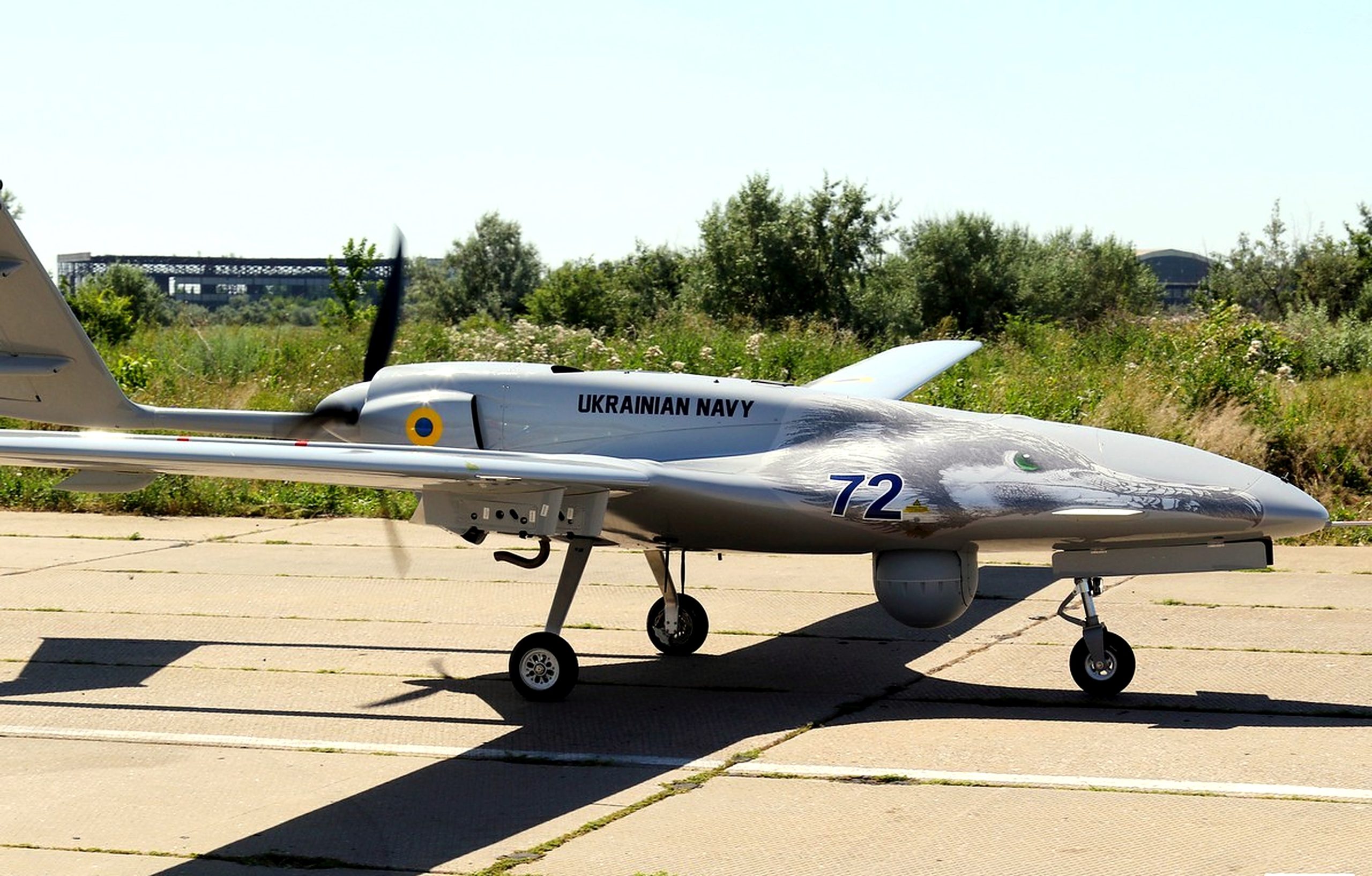
Further south, the FRN reportedly struck FARDC special forces at Masango, in the Bijombo area north-east of Minembwe, on 30 October, killing at least seven soldiers, according to several social media accounts cited by Critical Threats. One account, attributed to a possible FARDC special forces member, suggested the strike may have been carried out by a Bayraktar TB2. That claim is unverified. The FRN is not known to operate the type, but Kinshasa has accused Rwanda of flying TB2s into the Kivus from its own territory, an allegation Unmanned Africa examined in its July report on a FARDC intelligence memo. Rwanda denies operating in Congo.
Government strikes in the Minembwe highlands
Around Minembwe, the strikes ran the other way. Twirwaneho-aligned sources and Congolese journalists Héritier Munyampfura and Steve Mulindwa said pro-government forces carried out two successive drone attacks on 3 November on Wihene and Minembwe centre, hitting Madegu centre, Kakenge and Irundu. FRN political spokesman Lawrence Kanyuka also claimed strikes on Minembwe centre that day, and the government-aligned outlet Tazama RDC said the FARDC had targeted a Twirwaneho military position. Another drone attack on Kakenge on 5 November reportedly killed two children. Twirwaneho spokesman Fidèle Rugabo denounced both attacks.
On 10 November, government-aligned social media accounts claimed that a drone strike near Kaziba had killed several Twirwaneho commanders. No names have been given and Twirwaneho has not confirmed any losses. The Minembwe highlands, home to the Banyamulenge community, have been struck repeatedly this year, and rights groups have recorded civilian deaths there.
Drones and air defence on the RN3
The strikes came alongside the FRN’s push west along the RN3. Starting on 6 November from Tshivanga on the eastern edge of Kahuzi-Biega National Park, FRN fighters advanced through the park, took Bitale and Bulambika and entered Bunyakiri town in Kalehe territory, reaching Kambale by 9 November. AFP, reported by Africa Radio, put the advance at about 50 km, and said army spokesman Major Dieudonné Kasereka announced a counter-offensive towards Kambale. Critical Threats, citing local reporting, said the FRN advanced “using drones and anti-air defense systems”. Bulambika lies about three miles from Kichanga, the airfield and supply centre for FARDC and Wazalendo units across Kalehe.
That pairing matters. The FARDC’s air campaign against the M23, and now the FRN, has relied on medium-altitude drones flown from Kisangani and Kindu. Its fleet includes Chinese Rainbow CH-4 aircraft and a small number of Bayraktar TB2 from Baykar, first delivered in 2023, and the M23 has claimed to have shot down one of each. The rebels have answered with air defences on the ground and long-range attacks on the bases themselves: M23 struck Kisangani airport, home to the army’s drone command centre, with one-way attack drones several times from late January 2026. Unmanned Africa has also reported on a delta-wing kamikaze drone downed in Fizi and on the Belarusian Berkut-BM jet drone found at Goma airport after its capture in January 2025.
Sanctions follow the new name
Diplomacy has not slowed the fighting. The UN Security Council’s 1533 sanctions committee added FRN as an alternate name on the AFC entry of its list on 11 November, and the United Kingdom amended its own designation on 12 November, Actualite.cd reported. The Washington and Doha peace tracks remain formally alive, and the FRN says it inherited the AFC/M23’s commitments under the Doha framework. Neither track has produced a working mechanism for monitoring drone use, which leaves each strike to be argued over on social media.
Watch the FARDC’s counter-offensive towards Kambale and the Kichanga airfield. If the FRN can hold the RN3 under cover of its own drones and air defences, the army’s ability to resupply Kalehe and to fly drones over it will both come under pressure. If the army retakes the road, expect the drone war in the highlands to intensify again as both sides try to settle with strikes what the ground war has not.
