
AutonoSky scales up South African-made drones for army and training
Cape Town drone maker AutonoSky is expanding production of its unmanned aerial systems (UAS) and its training of drone pilots and crews, the company told defenceWeb on 24 November 2026. The growth follows the South African Army’s decision to buy locally built drones from the firm for border security and reconnaissance.
Founded in 2020, AutonoSky designs its own airframes, payloads and control software and is an Aviation Training Organisation approved by the South African Civil Aviation Authority (SACAA). “We now offer a growing family of systems spanning heavy-lift logistics, rapid-deployment ISR, pilot training and high-speed aerial targets,” chief executive Amit Ramdath said. “All of this capability is built around AutonoSky’s own AGS ground control software, developed in-house to keep data and command links secure.”
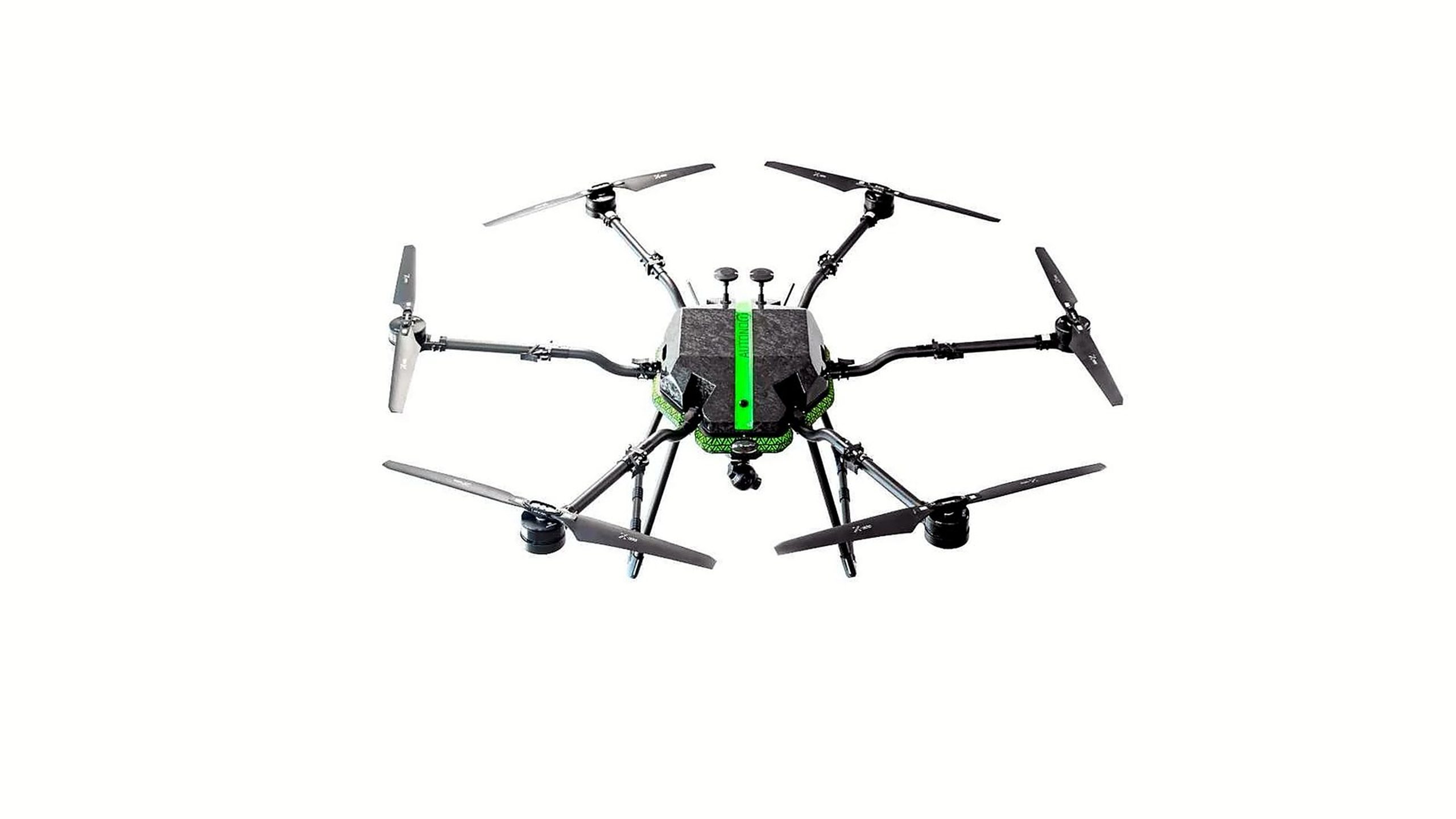
Autono1 for resupply and base security
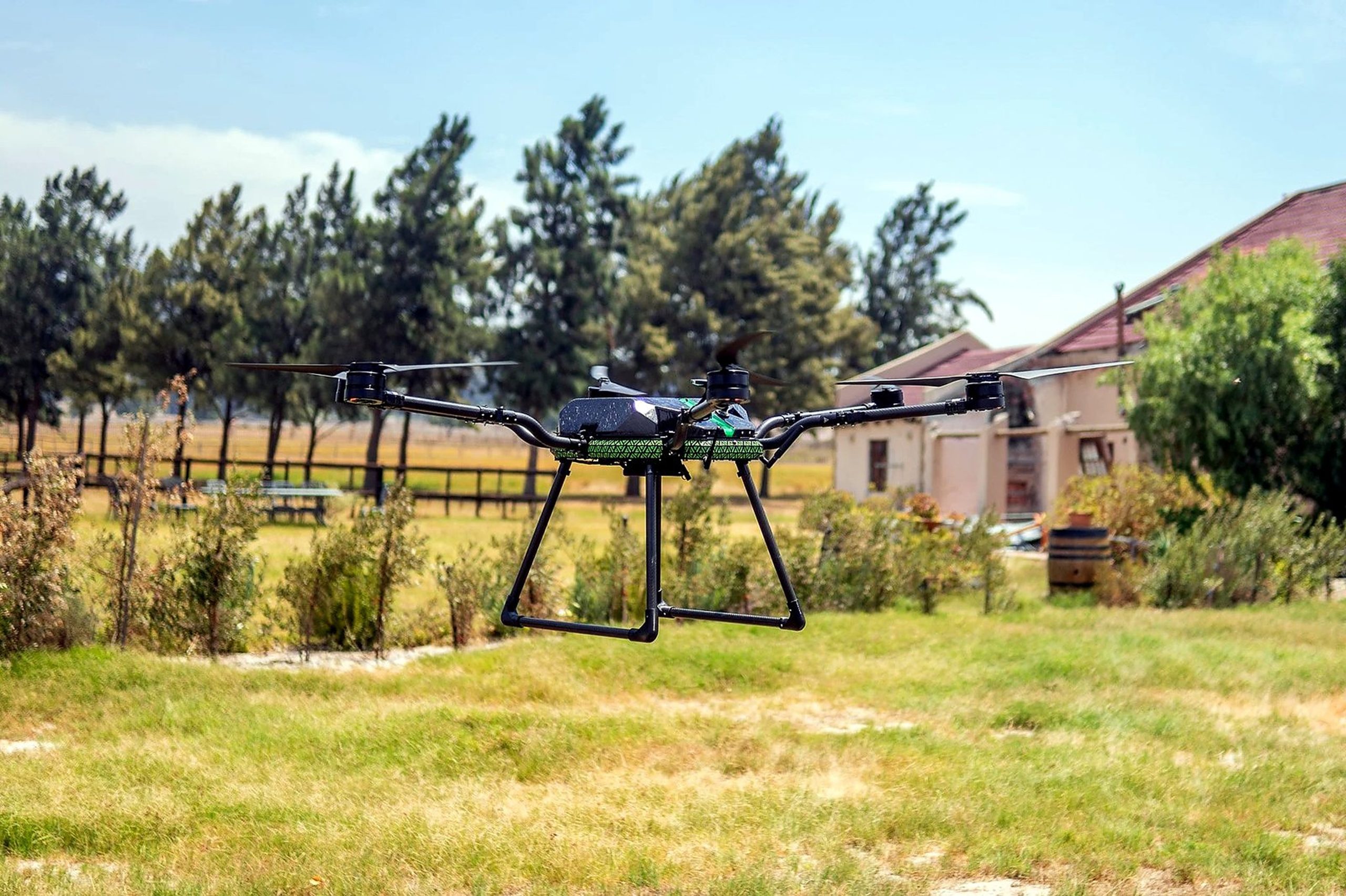
The company’s flagship is the Autono1, a heavy-lift multirotor that carries up to 30 kg and flies for up to 60 minutes, with 120-degree forward obstacle avoidance and real-time kinematic (RTK) positioning, according to AutonoSky. It is pitched for emergency resupply of troops, moving ammunition, medical supplies and tools into places ordinary supply routes cannot reach, a role Unmanned Africa examined in why African armies should consider logistics drones for battlefield resupply. Fitted with an optional intelligence, surveillance and reconnaissance (ISR) sensor and a tethered power system, it can stay up over a forward base to provide continuous lighting and surveillance.
The A22 Manqoba is a foldable quadcopter for ISR, carried in a backpack and ready to fly within 60 seconds. It takes client-specified sensors and deployable ordnance, and has a tactical payload of 6 to 8 kg, the Africa Defense Forum (ADF) reported. The Council for Scientific and Industrial Research’s Aerospace Industry Support Initiative has backed the Manqoba project.
Training and target drones
Under development is the Inyoka, an ab initio training drone with a vacuum-formed airframe built to survive heavy landings, run on universal batteries and be repaired in the field by personnel with basic training. The Vuma, still a prototype, is a fixed-wing target drone for anti-aircraft and counter-drone gunnery practice. It cruises at 150 km/h, exceeds 200 km/h in a dive, has up to 20 minutes’ endurance and a 50 km range, and uses a carbon-fibre main spar rated to sustained loads beyond 5G. It can also be flown in first-person view (FPV) to train pilots to deliver ordnance at speed.
AutonoSky has run SACAA-accredited courses since 2023, covering the remote pilot certificate, revalidation, instructor ratings and beyond visual line of sight (BVLOS) operations. It also holds an exclusive 15-year licence for the CSIR’s K-Line optical sensor for early wildfire detection.
Local drones for South Africa’s borders
Military Africa reported in April that the South African Army was finalising a drone buy mixing AutonoSky systems with commercial platforms from China’s Autel Robotics, after the South African National Defence Force (SANDF) confirmed the acquisition on 18 March. The Army is acquiring multirotors and fixed-wing aircraft with a 3-metre wingspan, with training, support and maintenance included, and is studying each land border’s needs before deploying them. Army officials have said organised crime networks along the borders with Mozambique and Zimbabwe already fly drones of their own.
AutonoSky joins a growing South African drone sector, including Milkor and ShadowfaxUAS, that is finding buyers while the SANDF’s own budget remains tight. South African-built types already make up about half of the drones recorded across Southern Africa’s fleets. A Vuma in service would give the SANDF a locally made target for counter-drone gunnery, a training gap that grows as armed drones spread across the region. More coverage is on the South Africa tag page.
