
Somalia: Al-Shabaab, AFRICOM, and a New IS Rival in the Sky
Somalia has two drone stories running side by side, and only one gets regular coverage. The familiar one is the steady run of US Africa Command airstrikes on al-Shabaab, which continued at a near-monthly pace through 2025 and 2026. The newer one is unfolding about a thousand kilometres to the north, where al-Shabaab’s smaller rival, Islamic State Somalia (ISS), has started using armed drones in combat. That puts Somalia at the centre of a bigger question: whether Yemen’s Houthi movement will end up giving an African insurgency real weaponised drone capability.
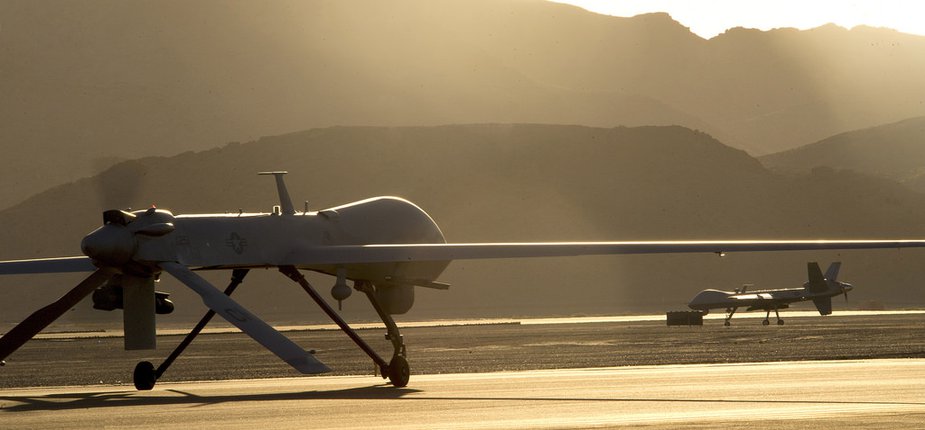
AFRICOM treats its al-Shabaab campaign as routine. The command’s 19 June 2026 strike near Welmaro, about 103 kilometres north of Kismayo, followed the format of dozens of earlier releases: coordinated with the Federal Government of Somalia, the target described only as “al-Shabaab”, no aircraft or weapons named, citing operational security. A second strike hit the same area on 15 July, and AFRICOM’s press archive shows a similar tempo back through the spring, with strikes on 16, 18, 19 and 27 March, another on 6 May and more in June. The releases never name the aircraft, in line with long-standing US policy of not saying which of its MALE surveillance and strike drones took part. Somalia has lived with that ambiguity for years. Analysts including FDD’s Long War Journal have noted that some strikes widely assumed to be American were more likely carried out by the United Arab Emirates, which has backed Puntland’s counter-terrorism operations with its own aircraft and has sometimes been named by Puntland officials when the US declines to claim a strike.
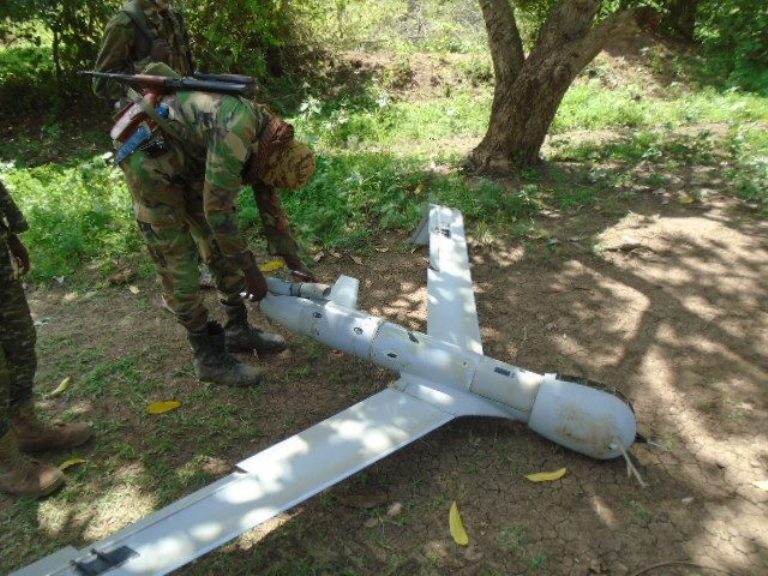
The less-covered story is in Puntland, where ISS has been trying to hold its stronghold in the Cali Miskat mountains against a government offensive that began in late 2024. On 20 and 23 January 2025, ISS fighters used armed drones against Puntland’s Dervish Force and Maritime Police Force at their base in Buuraha Cali Miskat, killing at least two soldiers. It was the group’s first confirmed use of drones in combat rather than for surveillance or propaganda, and the conflict monitor ACLED confirmed it was the first time it had recorded drone use by ISS. The attacks came about a week after Puntland’s “Operation Lightning” killed 26 fighters and shot down nine ISS drones, a mix of surveillance quadcopters and explosive-carrying models, which suggests the group had more drones than the January strikes revealed. It kept going. In February, Puntland officials said ISS launched seven drones at security positions in one night, five of which were shot down and two of which exploded, according to reporting carried by AllAfrica. Offensives and counter-offensives in the same mountains continued at least into September.
What sets Somalia apart from Africa’s other drone-armed insurgencies is a supply line analysts keep coming back to. In September 2024, Puntland forces stopped seven men trying to smuggle commercial drones modified to carry explosives through Bosaso port. According to analysis published by Lawfare, the drones were believed to have come from Yemen’s Houthi movement and to be meant for al-Shabaab. Al-Shabaab, an al-Qaeda affiliate, and ISS, loyal to Islamic State, are rivals with little reason to cooperate. Yet ISS carried out its first armed drone attack only a few months after that seizure, and some analysts suggest a transactional trade in weapons and know-how may be developing across the rivalry. This site has covered the naval-drone side of this separately: a 2025 UN Panel of Experts report documented direct Houthi cooperation with al-Shabaab, including GPS tracking equipment supplied to Somali pirates and reported drone training. If that pipeline is real and widens beyond al-Shabaab, Somalia is the clearest place on the continent to watch for what analysts call the real “gamechanger”: not more surveillance drones, but an armed group receiving weaponised systems built and tested in someone else’s war.
AFRICOM is adapting to the same threat its strikes are meant to suppress. In May 2026 it graduated its first “African Lion” drone academics class, more than 20 service members from four countries trained on cheap small drones at Southern Zone Headquarters in Agadir, Morocco. Separate reporting refers to AFRICOM field-testing a drone swarm defence system, a sign that the command sees small, cheap drones as a growing threat to its own forces and partners.
The two stories are one story seen from opposite ends. Al-Shabaab is still the larger, better-funded group, but so far it has used drones mainly to film and coordinate attacks rather than as weapons, a caution this site has documented elsewhere on the continent among groups reluctant to lose scarce hardware. ISS, smaller and more desperate, crossed that line first, months after Houthi-linked drones bound for its rival were seized. Whether that was coincidence, competition or the start of a shared supply chain between two groups that otherwise want nothing to do with each other will shape what happens next.
