
UN says drones killed 1,630 Sudanese civilians in ten months
Drone strikes killed more than 1,630 of the 2,230 civilians the UN Human Rights Office has confirmed dead in Sudan between January and the end of October 2026. The figures come from the office’s report on the first half of the year, published on 17 November, and an update to the end of October released with it. The report calls drones a “defining feature” of the war between the Sudanese Armed Forces (SAF) and the Rapid Support Forces (RSF).
From January to June the office recorded at least 1,390 civilian deaths, more than 80 per cent of them from drone strikes. In the four months that followed, another 840 civilians were killed, close to 520 of them by drones. The office says these are only the deaths it could confirm and that the real toll is likely higher.
Markets, fuel and hospitals
The targets have been civilian infrastructure as much as front lines. In the first half of the year the office documented at least 39 drone strikes on markets, 20 on civilian vehicles, 17 on fuel tankers and depots and 16 on health facilities. Kordofan accounted for more than two thirds of documented civilian casualties, followed by Darfur. Drones also reached eastern and central Sudan. In White Nile state at least 41 civilians were killed during the reporting period.
The newest pattern is a campaign against power and fuel. Between 20 October and 4 November, 29 drone strikes attributed to the RSF hit electricity facilities and fuel stations across 11 states, according to the report, causing blackouts that disrupted dialysis, surgery, water supply and food production far from any fighting. Sudan’s Transitional Sovereignty Council, linked to the army, had already counted 28 attacks involving 97 drones in October alone, Al Jazeera reported.
“The facts speak for themselves,” said Volker Türk, the UN High Commissioner for Human Rights. “Amid pervasive impunity, the report documents, once again, serious violations of international humanitarian law. Such violations may amount to war crimes.”
A toll that keeps climbing
Each UN update this year has pushed the figure higher. In May the office put drone deaths at 880 for January to April, more than 80 per cent of all civilian deaths. In June Türk told the Human Rights Council that drones had killed more than 1,000 civilians in the first five months. On 23 October the office said strikes had killed at least 306 people in the first three weeks of that month, including at least 25 civilians in alleged army strikes on displacement shelters in Ghubeish and El Nuhud in West Kordofan.
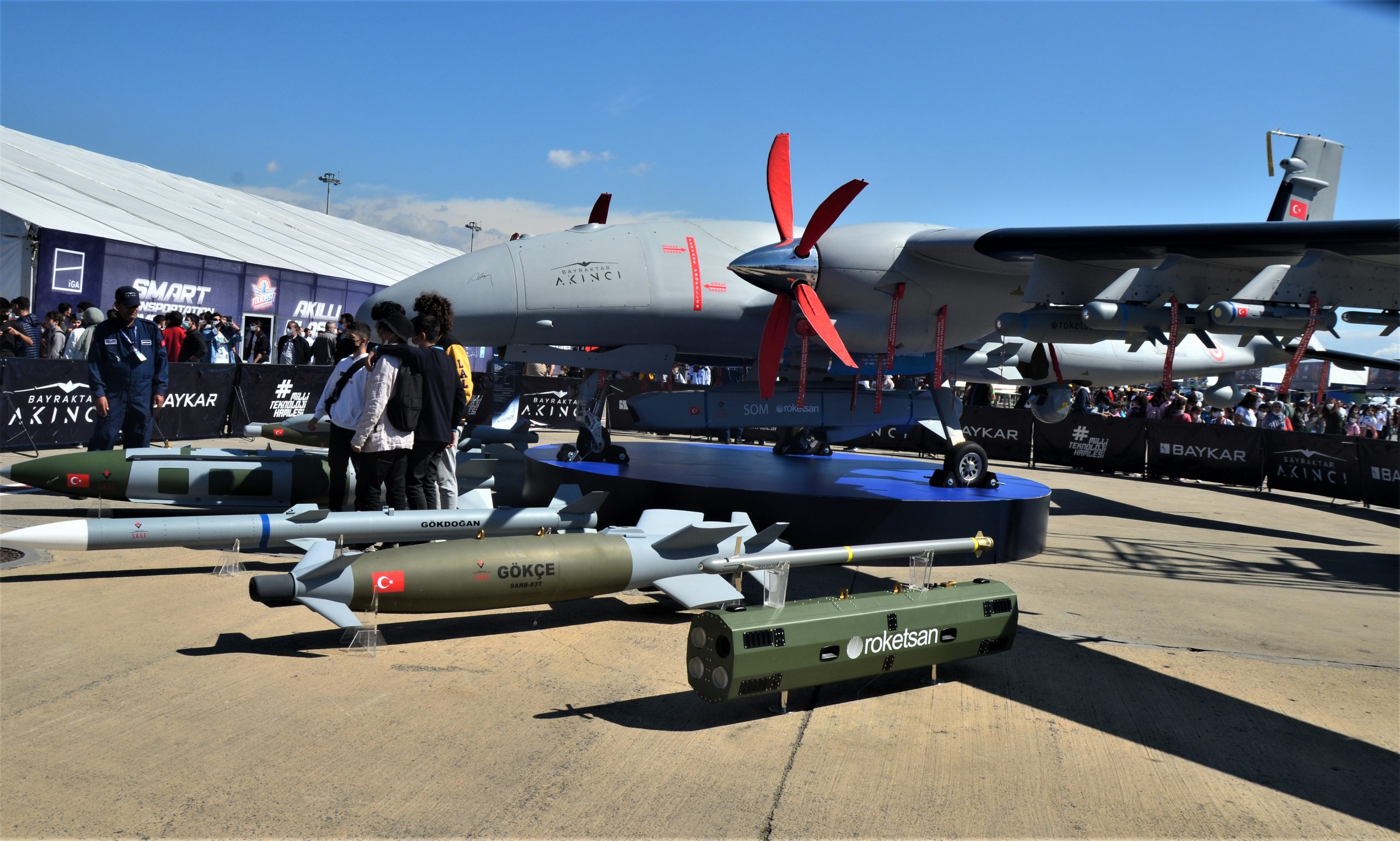
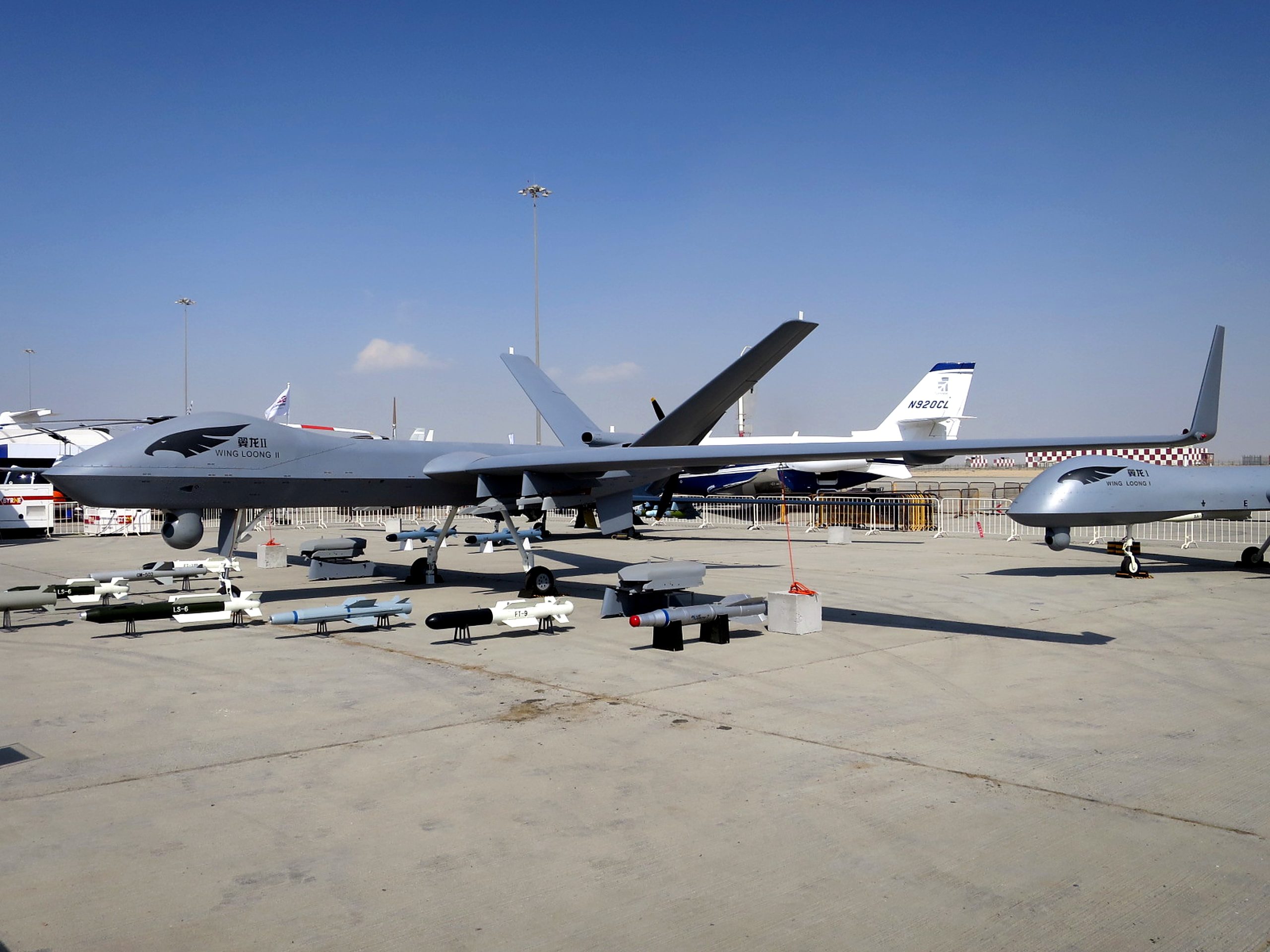
Both sides fly the aircraft behind these numbers. Africa Drone Intelligence records 63 drones for the army and 39 for the RSF, as Unmanned Africa set out in Sudan’s army traded Iranian drones for Turkish as RSF bought Chinese. The army’s newer fleet comes from Baykar: Bayraktar TB2, Akinci and loitering munitions. The RSF relies on Chinese types including the FH-95 and long-range delta-wing one-way attack drones, covered in The Proliferation of Long-Range Delta-Wing Drones in Sudan.
The war has also drawn in drones from outside. Khartoum told the UN Security Council that 187 drones launched from Ethiopian territory hit its infrastructure between February and October, and on 13 November the army said it shot down a long-range drone over Blue Nile that had crossed from Ethiopia.
Pressure on suppliers
The report arrived the same week Amnesty International called for RSF drone strikes on El Obeid to be investigated as war crimes and for the UN arms embargo on Darfur to be extended to the whole country, with drones explicitly covered. No such extension is before the Security Council. Unless one is, the supply chains behind both fleets will keep running: Turkish aircraft for the army, and Chinese types for the RSF that Amnesty says the United Arab Emirates supplied, a charge the UAE denies. The next UN count will be higher again. Unmanned Africa’s running coverage is on the Sudan and RSF tag pages.
