
Drone strikes kill more than 60 Ethiopian civilians in nine days
Three drone strikes in Ethiopia’s Amhara, Tigray and Oromia regions between 29 October and 6 November 2026 killed between 61 and 66 civilians, according to witness, hospital and monitoring accounts compiled by Addis Insight from AFP, BBC Amharic, BBC Tigrinya and the Armed Conflict Location and Event Data Project (ACLED). None of the totals has been independently verified, and the Ethiopian National Defence Force (ENDF) did not respond to requests for comment, AFP reported. Armed drones have become the federal government’s main striking arm since fighting with the Tigray People’s Liberation Front (TPLF) resumed in late September.
Three strikes, three regions
On 29 October strikes hit the Jari Number 2 camp for displaced people in South Wollo, Amhara, about 400 kilometres north-east of Addis Ababa. A witness told AFP that four strikes “were carried out one after another” and that 14 people had been buried at the camp, with two more dying during treatment. Other residents gave 14 and 15 deaths. BBC Amharic later reported 18 dead, more than 30 wounded and four to five impacts spaced roughly 15 to 20 minutes apart.
At about 21:00 the same evening a drone hit a private vehicle carrying sorghum in the centre of Rama, in Tigray near the Eritrean border. The next morning, 30 October, a second strike hit people gathering the spilled grain, a resident told AFP. A hospital source confirmed 11 dead, while ACLED put the toll at 12 civilians, AFP reported.
The deadliest incident came on 6 November in Kiremu woreda, Oromia. Five witnesses told BBC Amharic and BBC Tigrinya that two strikes hit a group of 200 to 300 displaced people walking at night through Wedesa Dima, killing at least 36 and wounding at least 16. The BBC could not verify the accounts, and the operator of the drone has not been established. Taking the lowest reported figure for each incident gives 61 deaths. Taking 18 at Jari and 12 at Rama gives 66.
The three incidents follow a strike on Alamata, southern Tigray, on 22 September that killed 14 people and injured 22, with the split between civilians and combatants unknown, according to the same compilation.
The fleet behind the campaign
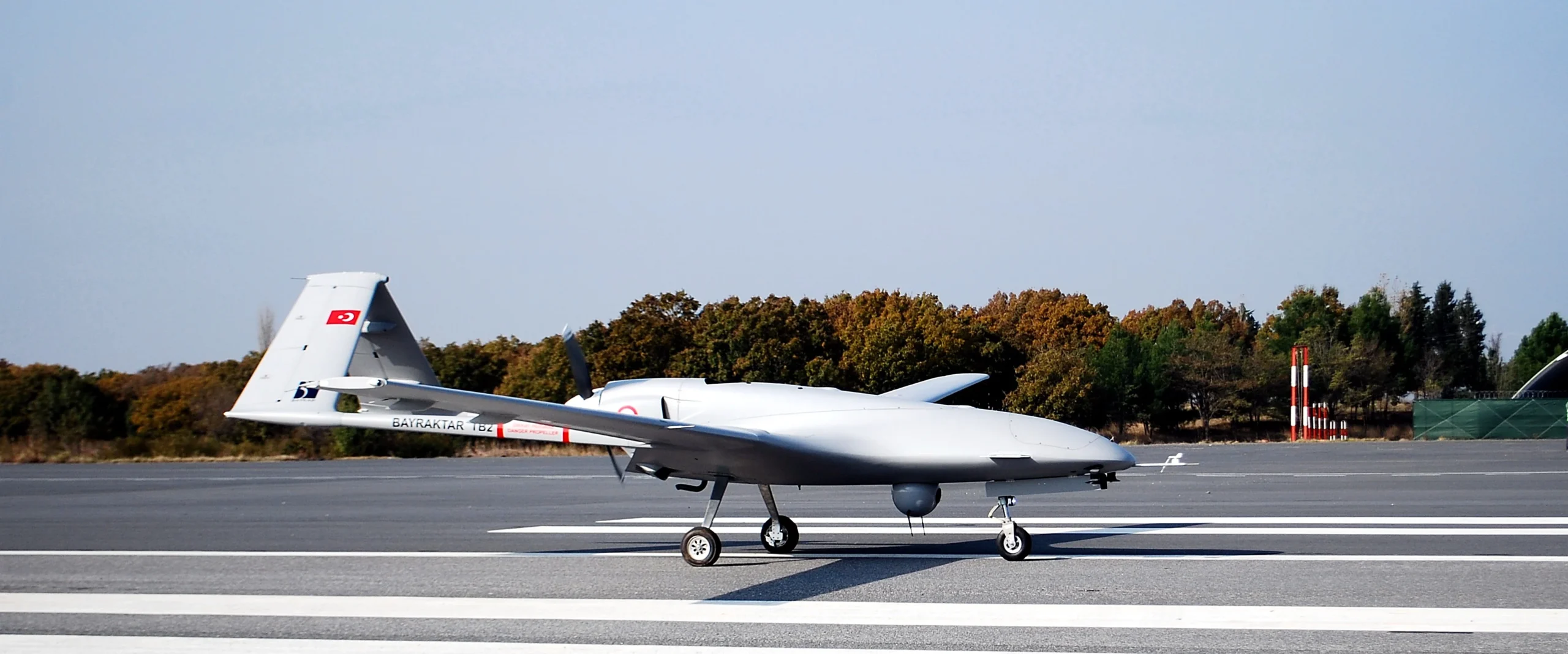
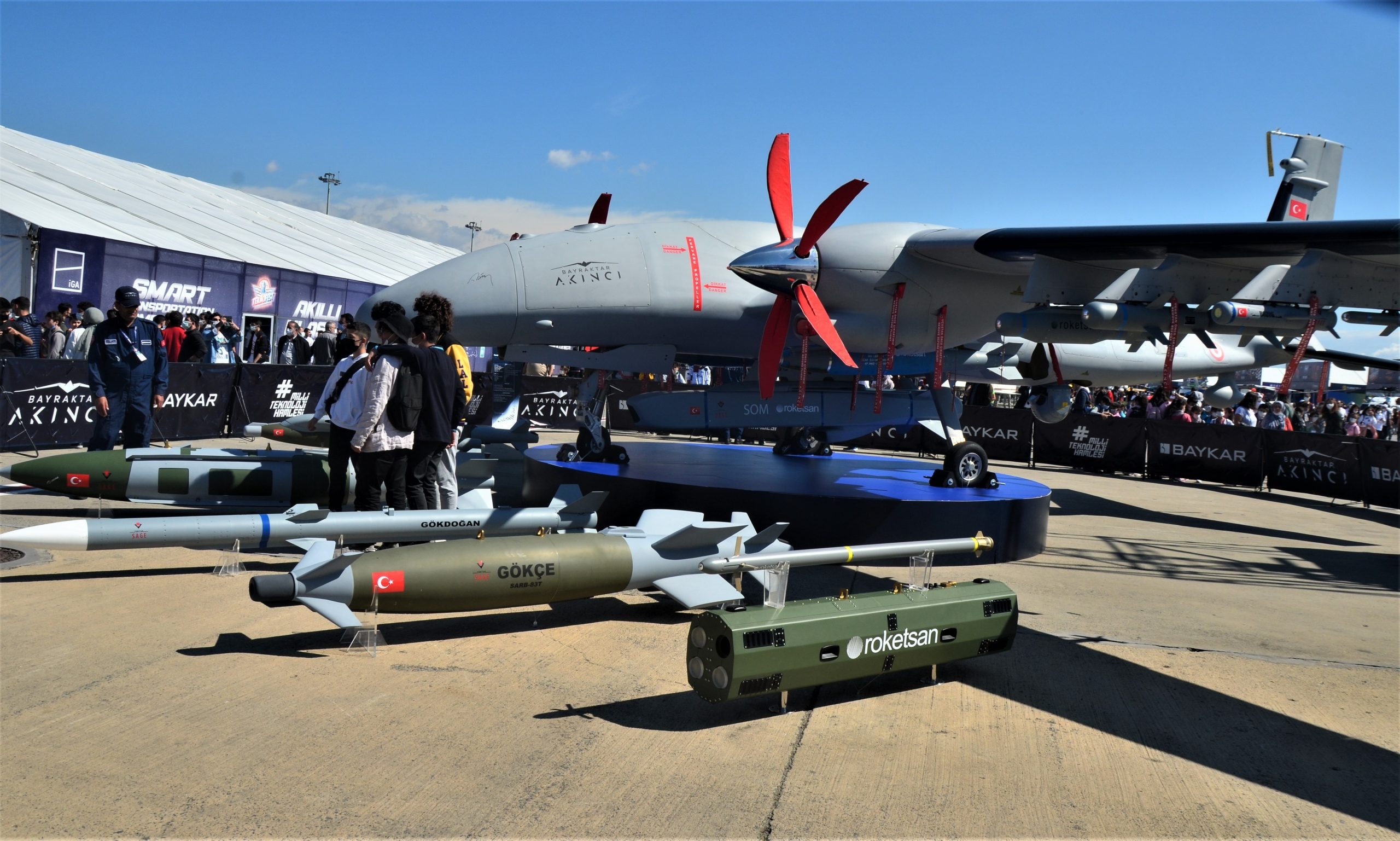
Ethiopia holds East Africa’s largest recorded drone fleet. The Africa Drone Intelligence database lists 136 units from seven foreign suppliers and local industry, including four Turkish ANKA-S delivered in 2020, four Iranian Mohajer-6 and ten Chinese Wing Loong I in 2021, six Bayraktar TB2 in 2022 and four Akinci in 2024, as set out in Ethiopia’s drone fleet draws on seven countries and its own industry. In January 2026 the Ethiopian Air Force displayed Russian Orion-E medium-altitude drones at its 90th anniversary in Bishoftu. None of the sources for the three strikes identifies the aircraft or munition used.
The pattern of civilian harm predates this war. Human Rights Watch documented a strike on a school compound sheltering displaced people at Dedebit, Tigray, on 7 January 2022 that killed at least 57 people, and identified fragments consistent with Turkish MAM-L guided munitions. Strikes in Amhara at Finote Selam in August 2023 and near Sasit in February 2024 killed dozens more. Action on Armed Violence counted 2,273 civilians killed or injured by explosive weapons of all types in Ethiopia between 2013 and February 2024, a figure that covers all explosive weapons rather than drones alone.
Drones on both sides of the border
Addis Ababa no longer holds an uncontested monopoly on unmanned aircraft. The National Intelligence and Security Service imposed an indefinite ban on drone flights over the capital on 30 September, hours before blasts were reported in the city, and the Africa Defense Forum reported that northern rebels have used drones against military bases outside Tigray. Across the western border, Sudan accuses Ethiopia of allowing one-way attack drones to be launched from its territory, as Unmanned Africa reported in Sudan says 187 drones launched from Ethiopia hit its infrastructure, and the regional picture is drawn together in Sudan’s drone war spills across the Horn. Sister site Military Africa reported the strikes on 17 November in Ethiopian drone strikes kill at least 62 civilians in nine days.
What comes next
With federal forces pressing in Tigray while fighting Fano militias in Amhara and the Oromo Liberation Army in Oromia, the air campaign is unlikely to slow. Communications blackouts and access restrictions mean that platform identification, munition fragments and targeting decisions will remain hard to establish for each strike. For the Turkish, Chinese, Iranian and Russian suppliers of Ethiopia’s fleet, the record from Jari, Rama and Kiremu adds to the questions over how their aircraft are used.
