
Africa’s drone start-ups face their own valley of death
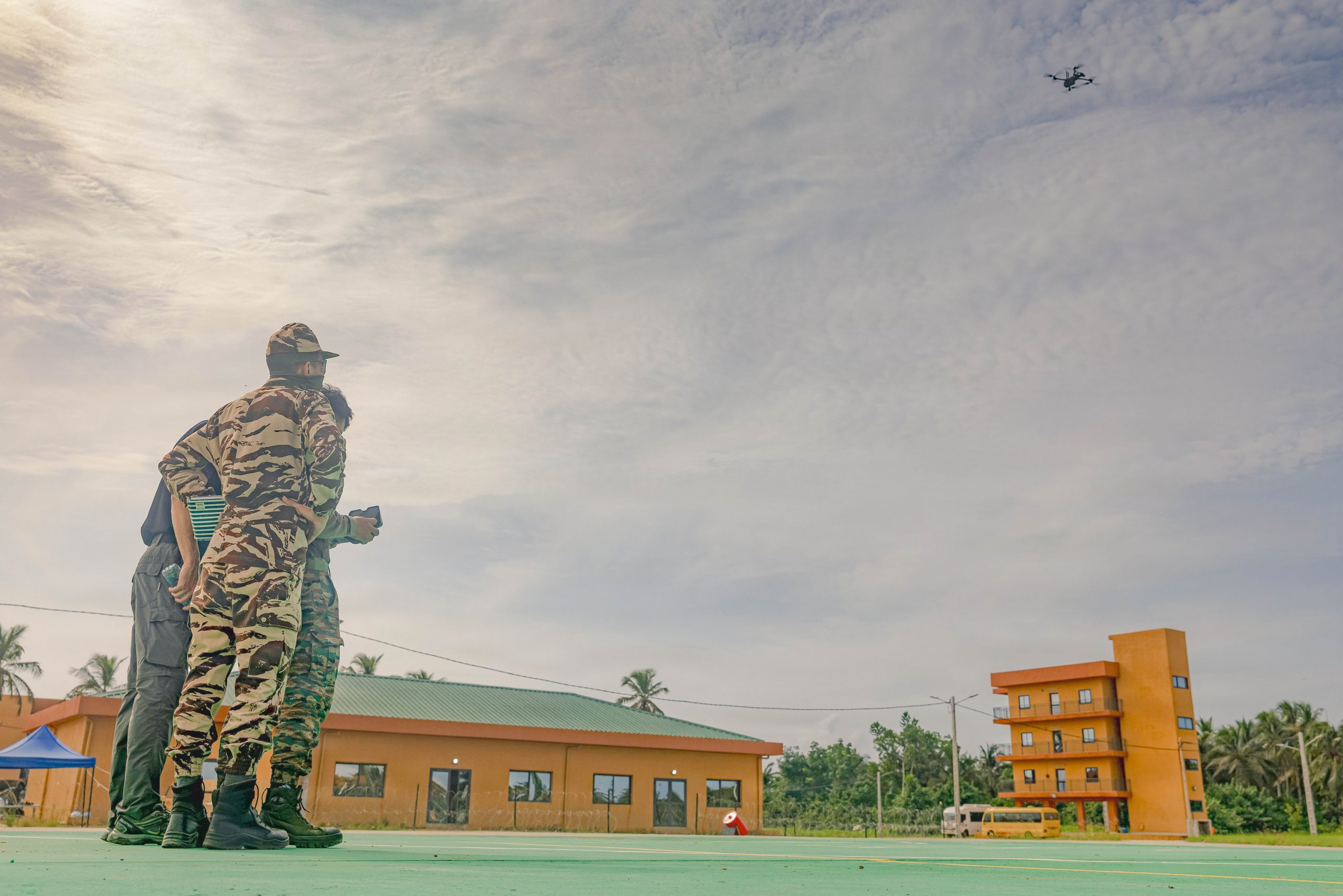
Africa now has a generation of drone and autonomy start-ups that can build a working prototype in months. Nigeria’s Terra Industries has raised $52 million in venture capital, South Africa’s Milkor flies the continent’s largest home-built medium-altitude long-endurance (MALE) drone, Morocco has licensed ten drone projects and Egypt’s state factories are turning out their own designs. Yet a familiar pattern keeps repeating. A firm shows a prototype at a defence exhibition or field demonstration, impresses senior officers, signs a memorandum of understanding or a small trial order, and then waits years for a production contract that may never come. In the United States, defence insiders call this gap between a working prototype and a full-scale military order the “valley of death.” Africa has its own version, and in several ways it is deeper.
The American valley
The term comes from the Pentagon’s struggle to turn start-up prototypes into programmes of record. A Hoover Institution study published on 17 November 2026, From Venture Capital to the Arsenal, tracked 882 venture-backed aerospace and defence firms and found that the US Department of War had obligated $25.1 billion to them between fiscal years 2007 and 2026. SpaceX ($10.2 billion) and Anduril ($2.8 billion) took roughly half of that between them. Median cumulative obligations were zero for almost every cohort, and no company in any cohort reached $1 million in procurement within two years. Research and development money is the entry point, and most firms never get past it.
The mechanics are straightforward. Innovation offices can hand a start-up a few hundred thousand or a few million dollars to build five experimental drones or test a jamming algorithm. That proves an idea works in the desert but does not pay for an assembly line, hundreds of factory workers or a growing company. Large purchases are planned on a rigid five-year budget cycle, so the money to buy thousands of a new drone was usually committed two or three years before anyone saw it fly. Adding a new product means getting through reviews, certifications and congressional approval, which routinely takes two to three years, and funding it usually means taking money from an established programme with powerful backers. A start-up burning investor cash every month cannot wait that long. Legacy contractors, with revenue from dozens of other contracts, can. The Hoover authors recommend more use of agile contracting authorities, a shift from buying single products to buying technology portfolios, and lighter security, deployment and accounting burdens. Reformers in Washington also want dedicated bridge funds to carry promising firms from prototype to production.
One customer, and a smaller purse
An African defence start-up faces the same basic problem, a single legitimate customer, the state, with a slow budget process, but with less money and less certainty that the money will arrive. Nigeria shows the gap between appropriation and cash. The Nigerian Army’s 2025 budget line for security equipment was ₦20.56 billion, but only ₦1.46 billion, 7.11%, had been released by 31 December 2025, according to Open Treasury Portal records reported by Daily Trust. “To make a budget is different from budget release,” said Mike Ejiofor, a former director of the Department of State Services. A local drone maker waiting on that line has no idea whether a signed order will be paid this year or next.
South Africa has the continent’s deepest aerospace base and a defence budget that analysts say is too small to sustain the South African National Defence Force (SANDF). One analyst argued in July 2026 that South Africa must spend up to 2.5% of gross domestic product on the SANDF for it to recover, EWN reported. Milkor’s 380 is the clearest case of a capable African system caught in the valley at home. Four years after a 2022 memorandum of understanding with the SANDF, the South African military has still not bought one, and Milkor is now arming the 380 with MBDA missiles and pitching it abroad instead.
The exhibition circuit
Africa’s defence shows have become the continent’s prototype stage. At the inaugural Africa International Defence Exhibition (AFRIDEX) in Lagos in October and the Bamako Military Exhibition (BAMEX) in Mali, local firms showed drones, ground robots and counter-drone systems alongside foreign suppliers. Many of those products have no public order behind them. Mali’s home-built N’Gelèni drone appeared at BAMEX 2026 without a named maker or published specifications. Mozambique’s president has ordered research into drones, counter-drone systems and ground robots, but no budget, timetable or partner has been announced. Terra’s armed Duma ground robot was due for final field trials in mid-2026, and Unmanned Africa has found no public confirmation of results or deliveries, as reported in our survey of African ground robots.
Paid demonstrations and memoranda keep a firm in the news, but they do not keep it solvent. Military Africa’s tracking counted 216 locally made drones from nine countries by mid-2026, a small number against more than 1,200 foreign-supplied drones in African inventories, as Unmanned Africa set out in its continental survey of manufacturers.
Competing against finished imports
In Washington, a start-up’s rival for budget is a legacy programme. In Africa, it is often a finished foreign aircraft that arrives with its own financing. Turkish and Chinese suppliers sell complete systems on credit terms that rarely face the parliamentary scrutiny a domestic contract would, as Unmanned Africa explained in the money behind Africa’s military drone boom. The Bayraktar TB2 alone has 11 African operators and 135 recorded aircraft, and Nigeria runs Africa’s most diversified drone fleet, drawn from 12 origin countries. A procurement officer with a war to fight and a cash shortfall will usually choose the drone that is proven, available now and financed, over a local prototype that still needs development money.
Who is getting across
A few African firms are finding ways over the gap, and their routes are instructive. Terra Industries used venture capital to build factories before it had large government orders, then signed a joint venture with the Defence Industries Corporation of Nigeria (DICON) under the DICON Act 2023 for local assembly, research and training. It says its Ghana plant will be able to build 50,000 units a year by 2028, Al Jazeera reported, and it is selling across the continent rather than waiting on Abuja alone. Its $52 million is still about 2% of what Anduril has raised.
Morocco has given a domestic firm volume. Aerodrive Engineering Services won an order for 500 loitering munitions from the Royal Moroccan Armed Forces, the country’s first confirmed domestic contract of its kind, and Rabat has paired that with foreign investment from Baykar and BlueBird at Benslimane, supported by a component supply base that grew 60% before the factory push, according to the European Bank for Reconstruction and Development (EBRD). In South Africa, the Army’s decision to buy locally made systems has helped Cape Town’s AutonoSky scale up production and training. Nigeria’s Proforce follows the legacy-contractor model on a small scale, using revenue from armoured vehicles to fund a range of drones and FPV strike systems.
Building a bridge for African start-ups
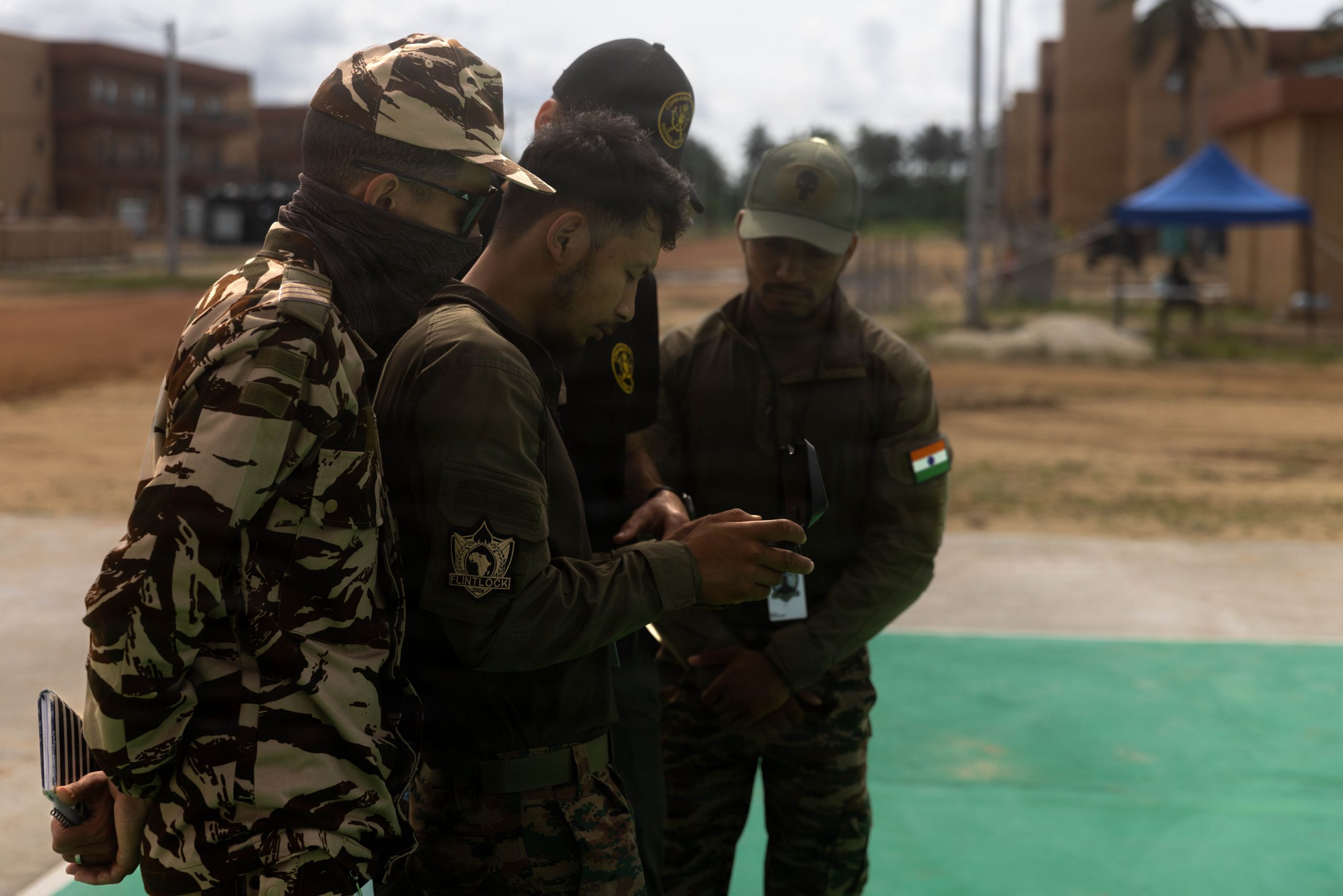
The US reform agenda translates to Africa with adjustments. Multi-year framework orders, even small ones, would give local firms a revenue line they can show to banks and investors. Buying a portfolio of capabilities, such as a set number of surveillance, strike and counter-drone systems to be filled by qualifying suppliers, would let ministries move money between products as the battlefield changes without a new contract each time. Local-content rules like Nigeria’s DICON Act work only if the budget line behind them is released on time. Offset agreements with foreign suppliers can require local assembly and component work, as Morocco has done with Turkish and Israeli firms. Bridge finance from development banks, export-credit agencies or sovereign funds could carry a firm from a successful trial to its first production batch.
Regional buying would also help. A drone or counter-drone system qualified by one African army is a smaller risk for its neighbours, and shared orders would give African makers the volume that single national budgets cannot. Without that, the most capable firms will keep doing what Milkor and Terra are already doing: finding customers abroad while their home armies keep importing.
Prototypes do not win wars
Prototypes that impress at AFRIDEX or AAD do not change a battle. Drones in the hands of soldiers in numbers, maintained and resupplied, do. African defence ministries say they want sovereign drone industries, and some of their start-ups have shown they can build the aircraft. Until budgets are released on time, orders are placed in volume and procurement rules leave room for new suppliers, the valley of death will keep starving the firms that could reduce Africa’s dependence on imported drones. More coverage is on the local production and defence industry tag pages.
